
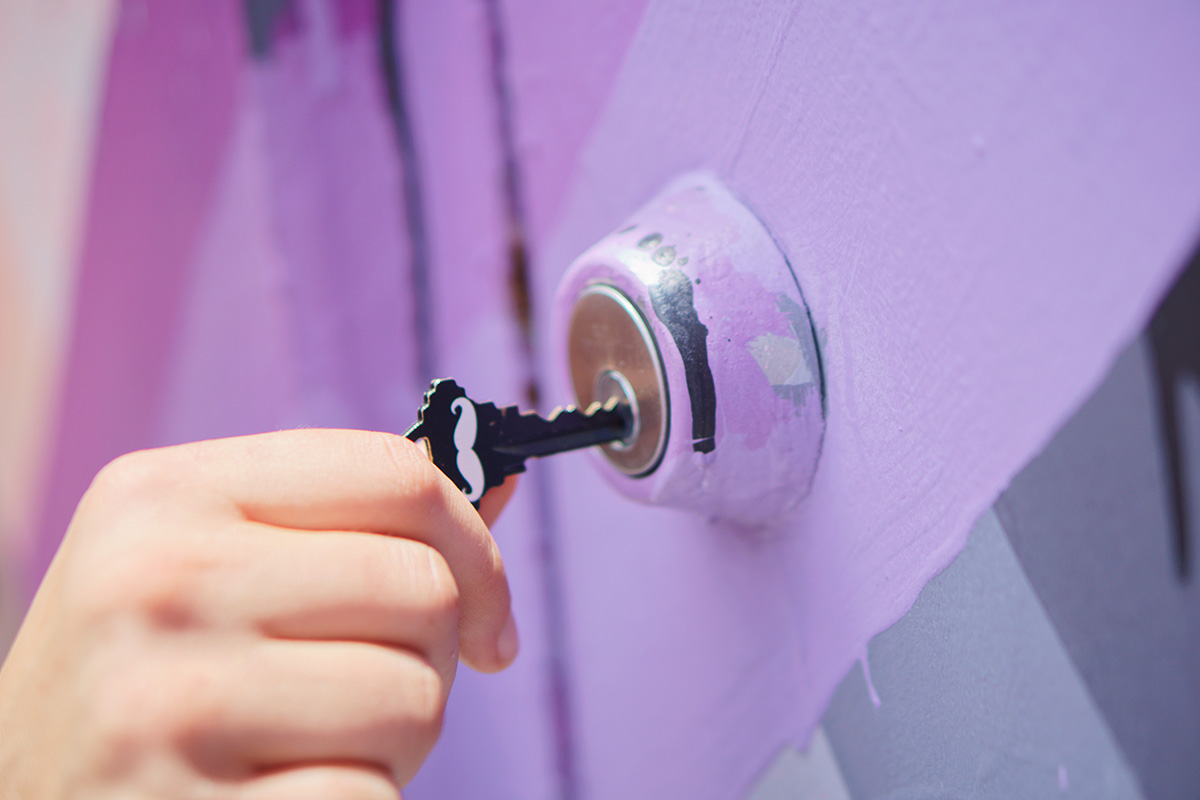
Few things are more frustrating than inserting your key into a lock only to find that it won't turn smoothly. Whether it's your front door, office, or vehicle, a sticking key is often one of the first signs that something isn't quite right. While it may seem like a small inconvenience at first, ignoring the problem can eventually lead to a broken key, damaged lock, or even a complete lockout.
The good news is that a sticking key doesn't always mean you'll need to replace the entire lock. In many cases, the issue can be identified and resolved before it becomes a bigger problem. Here's a look at some of the most common reasons your key keeps sticking and when it might be time to call a professional locksmith.
Worn or Damaged Keys
One of the most common causes of a sticking lock is the key itself. Over time, keys naturally wear down from years of daily use. The edges that once fit perfectly inside the lock can become rounded or slightly bent, making it harder for the pins inside the lock cylinder to line up correctly.
If you notice your spare key works better than your everyday key, the problem is likely the worn key rather than the lock.
Rather than forcing the key, consider having a new one professionally cut. Accurate key cutting ensures your replacement matches the original specifications and helps prevent unnecessary wear on the lock.
Dirt and Debris Inside the Lock
Locks are exposed to dust, moisture, and debris every day. Exterior locks are especially vulnerable to dirt, pollen, road grime, and freezing temperatures during Alberta winters. Over time, these contaminants can build up inside the lock cylinder, making it difficult for the internal pins to move freely.
You may notice that the key feels rough when inserting it or requires extra effort to turn.
While lock lubricants designed specifically for lock cylinders can sometimes improve performance, avoid using products like WD-40 as a long-term solution. These products can attract more dirt over time and actually make the problem worse.
If cleaning doesn't solve the issue, a locksmith can inspect the lock and determine whether it simply needs servicing or if repairs are necessary.
The Lock Is Beginning to Wear Out
Like any mechanical device, locks eventually wear with age. Springs weaken, pins become worn, and internal components no longer move as smoothly as they once did.
Common signs of a worn lock include:
- The key sticks or catches regularly.
- The key only turns after being jiggled.
- The lock feels rough or inconsistent.
- The key becomes difficult to remove.
These symptoms often appear long before a lock completely fails. Addressing them early with a professional lock repair can often extend the life of the lock and help you avoid an emergency lockout.
Door Alignment Problems
Sometimes the lock isn't the problem at all.
As homes settle over time or temperatures fluctuate throughout the seasons, doors can shift slightly. Even a small amount of movement can cause the latch and strike plate to become misaligned, putting extra pressure on the lock whenever you try to unlock the door.
If your key works smoothly when the door is open but sticks when the door is closed, misalignment may be the cause.
A locksmith can often make small adjustments to the door or strike plate to restore smooth operation without replacing the lock.
Cold Weather Can Affect Locks
Living in Southern Alberta means dealing with freezing temperatures for several months each year. Moisture inside a lock can freeze overnight, making it difficult or impossible to insert or turn your key.
Forcing the key can easily bend it or even snap it off inside the lock.
Instead, gently warm the key with your hands or use a lock de-icer specifically designed for frozen locks. If the problem continues throughout the winter, it may be worth having the lock inspected for moisture intrusion or internal wear.
Avoid Forcing the Key
One mistake many people make is trying to force a stubborn key.
While it might seem like applying a little extra pressure will solve the problem, it often creates a much bigger one. Broken keys are one of the most common reasons people need an emergency locksmith.
Removing a broken key requires specialized tools, and attempting to extract it yourself can push the broken piece deeper into the lock.
If your key doesn't turn with normal pressure, it's usually best to stop and investigate the cause before trying again.
When Should You Call a Locksmith?
Occasional stiffness isn't always a cause for concern, but recurring problems shouldn't be ignored.
You should consider contacting a locksmith if:
- Your key sticks every time you use the lock.
- The lock has become increasingly difficult to operate.
- You've already tried cleaning the lock without success.
- The key is bent or showing signs of wear.
- The lock is damaged after a break-in or attempted forced entry.
- You're worried the key may break inside the lock.
A professional locksmith can quickly determine whether your lock simply needs adjustment, repair, rekeying, or complete replacement. Addressing the issue early is almost always easier and less expensive than dealing with an emergency later.
Final Thoughts
A sticking key is usually your lock's way of telling you that something needs attention. Whether it's a worn key, dirt inside the cylinder, a shifting door, or a lock that's simply reached the end of its lifespan, identifying the problem early can help prevent more costly repairs down the road.
If you're experiencing recurring issues with your locks, having them inspected by an experienced locksmith can provide peace of mind and help keep your home, business, or vehicle secure. Small problems are often easy to fix when caught early, and regular maintenance can extend the life of your locks for years to come.